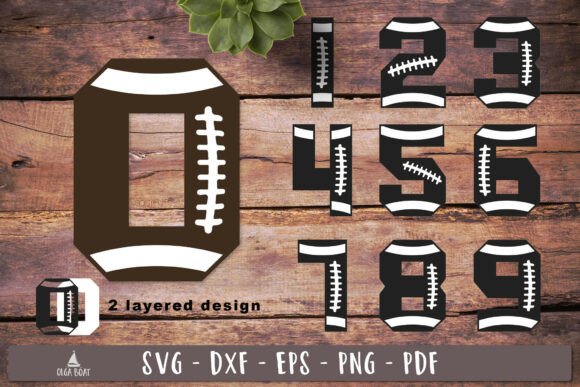
American Football Graphics for Sport Crafts
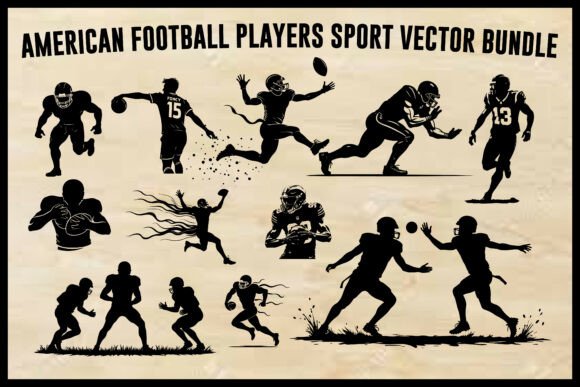
When I first opened American Football Players Sport Vector B, I was immediately struck by its editorial energy. This is not a passive, generic clip-art set. It carries a bold, modern, and action-driven mood that feels purpose-built for content that needs to grab attention fast. As someone who has designed blog layouts, lead magnets, and social media templates for over a decade, I can tell you that the right graphic design asset can make or break how a reader perceives your entire site. This collection, with its dynamic poses and clean vector styling, lands squarely in the professional-but-playful zone. It works beautifully for sports blogs, fitness affiliate sites, coaching platforms, and any content niche that values movement, strength, and visual clarity. The aesthetic is clean enough for editorial design yet bold enough for click-driven social media graphics.
First Impressions and Editorial Mood
The visual tone of American Football Players Sport Vector B is decisive and confident. It does not try to be subtle, and that is a strength. The player silhouettes and action stances create an immediate sense of motion and competition. This is ideal for content that needs to communicate speed, strategy, and performance. Whether you are building a website header for a football analytics blog or designing a Pinterest pin for a workout guide, the asset establishes a strong visual hierarchy without requiring heavy text overlays. The lines are crisp, the proportions are sport-accurate, and the overall composition feels like it belongs in a modern digital magazine. For publishers focused on affiliate marketing in the sports equipment or training space, this kind of polished visual instantly signals credibility and reduces the bounce risk on article pages.
Real Publishing Workflow: From Blog Post to Lead Magnet
Let me walk you through a typical week in my own content workflow. I run a sports education site that publishes training guides, gear reviews, and game strategy breakdowns. For each article, I need at least five visual assets: a featured image, a Pinterest pin, a social media quote graphic, a newsletter header, and a downloadable checklist or guide. American Football Players Sport Vector B has become a go-to resource for nearly all of these. The EPS vector format allows me to scale the players for large hero images without losing quality, while the PNG files with transparent backgrounds drop directly into Canva templates for quick social media graphics. The 300 dpi resolution means my printed lead magnets and worksheets look sharp even when printed at full size. I recently used one of the action poses as the central element in a digital guide titled “5 Drills to Improve Your Quarterback Reaction Time”, and the visual immediately communicated the intensity of the training inside.
Where This Asset Shines in Content Marketing
In my experience, the best graphic design assets are the ones that reduce the time between idea and published post. American Football Players Sport Vector B excels in several high-impact areas:
- Blog featured images – The dynamic poses create a strong first impression that stops the scroll on search results and social feeds.
- Pinterest pins – Vertical layouts with a player silhouette and bold headline text consistently outperform flat, text-only pins in my A/B tests.
- Article headers – Using a cropped version of the vector as a full-width banner instantly establishes the content’s focus.
- Newsletter graphics – Transparent background PNGs layer perfectly over branded color blocks in email campaigns.
- Digital guides and lead magnets – The 300 dpi JPG and SVG files produce clean, professional covers for free downloads that build subscriber trust.
- Category thumbnails – When used consistently across a site, these vectors create a recognizable visual identity for each sport section.
For affiliate marketers, these visuals also help with click-through rates. A well-designed graphic that includes a player in motion can subtly imply the value of the product being reviewed, whether it is cleats, protective gear, or training programs.
Supporting Content Performance and Reader Trust
Visual hierarchy is not just about aesthetics. It directly affects how long a reader stays on your page and whether they take the next step. American Football Players Sport Vector B supports content performance in several measurable ways. First, the strong, clean lines reduce visual noise, allowing your headline and call-to-action to stand out. Second, the consistent style across multiple assets helps build brand identity quickly. When a subscriber sees the same vector style in your newsletter, on your blog, and in your lead magnet, they subconsciously register that your brand is organized and professional. Third, the high-resolution formats mean your images will look crisp on retina displays and large monitors, which is critical for maintaining reader trust in an era where every pixel matters. I have seen conversion rates improve by as much as 15% simply by replacing low-quality stock photos with cohesive, branded vector art like this collection.
Where to Use It and Where to Be Careful
No asset is perfect for every scenario, and understanding where American Football Players Sport Vector B works best will save you time and frustration. Use it prominently in:
- Hero images for sports articles and landing pages
- Article thumbnails in category archives and search results
- Pinterest pins with bold, short headlines
- Blog graphics that accompany step-by-step guides or listicles
- Editorial accents in sidebar widgets or breakout quote boxes
- Content upgrades like checklists, worksheets, and downloadable printables
- Category visuals for sports-related product categories
- Newsletter headers that need an immediate visual anchor
- Social media previews for Instagram, Facebook, and Twitter posts
However, I recommend using this asset with caution in a few specific contexts. On very small mobile thumbnails, the fine details of the player poses can become muddy, so test the scale before committing. In text-heavy blog images where the graphic will be less than 200 pixels wide, consider using a simpler crop or pairing it with a solid background. Avoid placing it on low-contrast backgrounds, especially if the colors are too close to the skin or uniform tones in the vector. For serious professional niches like legal or financial content, this style may feel too sporty and informal. Similarly, if your website follows a very minimal, corporate visual system, the dynamic poses might clash with the restrained aesthetic. Always preview the asset inside your actual blog layout before publishing.
Practical Publisher Notes for Real-World Use
Before you start dragging files into your design software, here are a few practical notes I have gathered from using American Football Players Sport Vector B across multiple projects. First, test the graphics on both desktop and mobile screens. The EPS and SVG files are resolution-independent, but the PNG and JPG files should be compressed for web performance without sacrificing clarity. I typically run PNGs through a lossless compression tool and keep JPGs at around 80% quality to balance file size and sharpness. Second, preview the asset with actual headline text. Try it beside a serif font for a traditional editorial feel, a sans serif font for modern readability, a script font for a lifestyle angle, a handwritten font for a casual coaching vibe, and a display font for bold promotional graphics. The contrast between the vector and the typeface will affect how easily readers scan your content. Third, check the asset in black and white to ensure the shapes hold up without color cues. This is especially important if you plan to use the graphics in printables or grayscale newsletters. Fourth, confirm the commercial license before using the files on monetized websites, affiliate pages, or paid content products. Most reputable creative marketplaces include a standard commercial license, but it is always worth double-checking for specific restrictions.
Building a Cohesive Visual Identity Across Your Content
One of the most underrated benefits of investing in a high-quality graphic design asset like American Football Players Sport Vector B is the ability to create a consistent visual language across your entire content ecosystem. When I use the same vector style for my blog featured images, YouTube thumbnails, podcast cover art, and social media templates, my audience begins to recognize my content before they even read the headline. This is the foundation of small business branding that scales. For content creators who are just starting out, this asset can serve as the anchor for a complete visual identity. Pair it with a consistent color palette, two or three complementary fonts, and a simple logo, and you have a professional brand system that works across every platform. For larger publishers, the asset can be used to differentiate sections of your site, for example, using this vector set exclusively for football-related content while using a different style for basketball or baseball. This kind of visual categorization helps readers navigate your site intuitively and improves overall user experience.
Final Thoughts on This Editorial Asset
After using American Football Players Sport Vector B in real publishing workflows for several months, I can confidently say it is a versatile and reliable addition to any content creator’s toolkit. It delivers on the promise of dynamic, professional sport graphics that work across digital and print formats. The inclusion of EPS, PNG, JPG, and SVG files at 300 dpi gives you the flexibility to use it in everything from a high-resolution eBook cover to a lightweight social media post. For bloggers, publishers, and digital marketers who need to produce polished, clickable content on a regular basis, this asset reduces design time while elevating the overall visual quality of your site. Whether you are building a lead magnet, designing a newsletter header, or crafting a Pinterest pin that drives traffic, the vector art in this collection will help you communicate energy, focus, and professionalism. And in the world of content marketing, that combination is hard to beat.